Hudi vs Iceberg for streaming ingestion: write paths, commit cadence, small files, compaction, and multi-writer concurrency compared at the mechanism level.
Hudi vs Iceberg for CDC: how each handles record lookups, deletes, small files, ordering and change streams — and a framework for choosing between them.
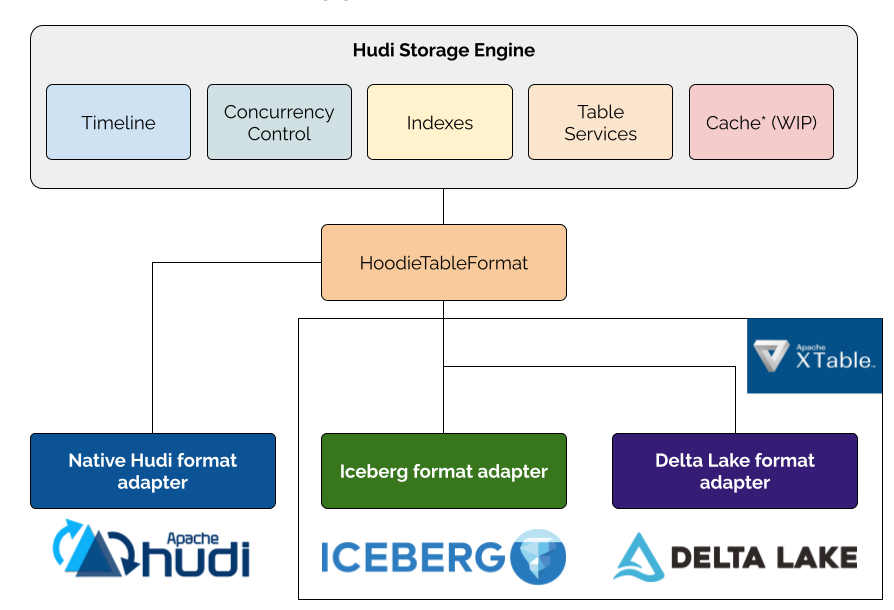
How Apache XTable lets Iceberg engines and catalogs read Hudi tables as Iceberg by translating table metadata in place — no data copies, no rewrites.
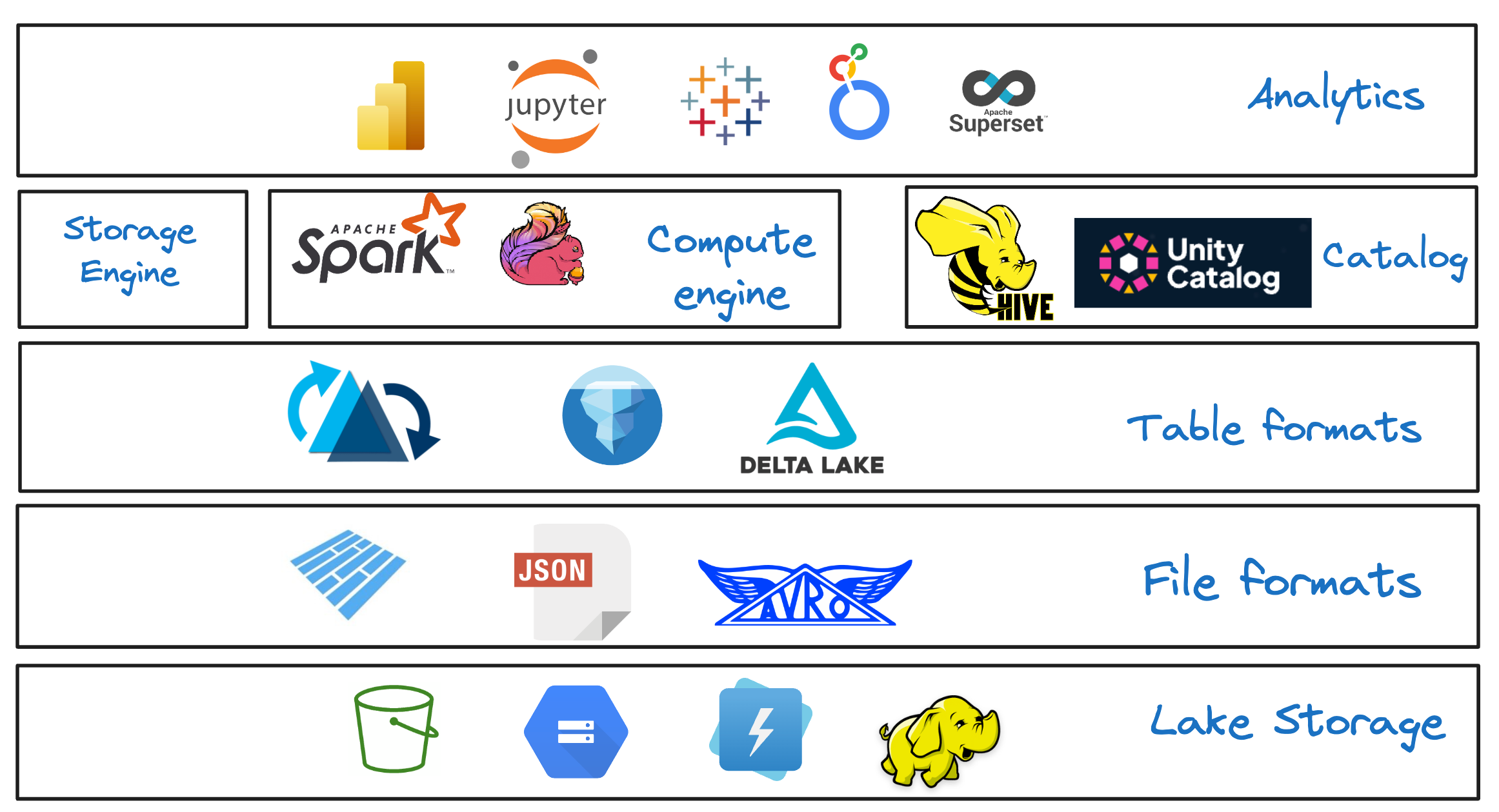
An open table format is a component; a data lakehouse is an architecture. This post walks the lakehouse stack layer by layer and corrects common conflations.
Data warehouse vs data lake vs data lakehouse compared: costs, transactions, performance, openness, and when to choose each architecture.
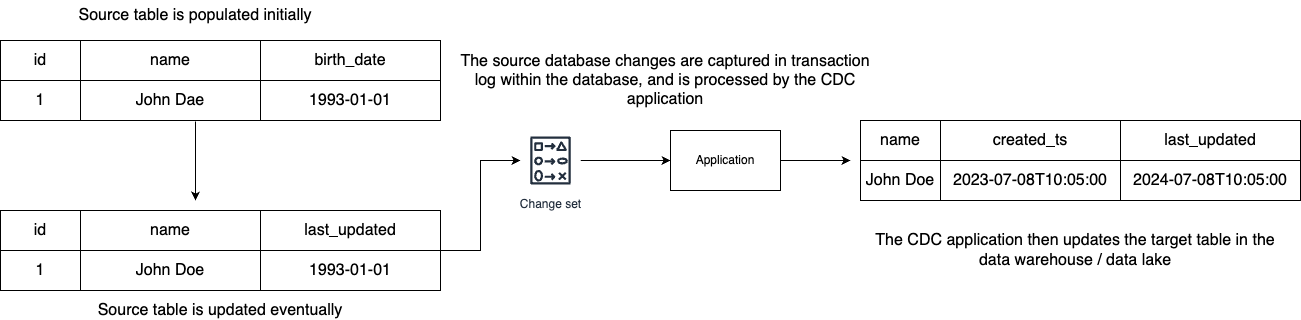
Learn what change data capture (CDC) on a data lake is, why it requires upserts and deletes, and how tools like Debezium and Apache Hudi make it work.
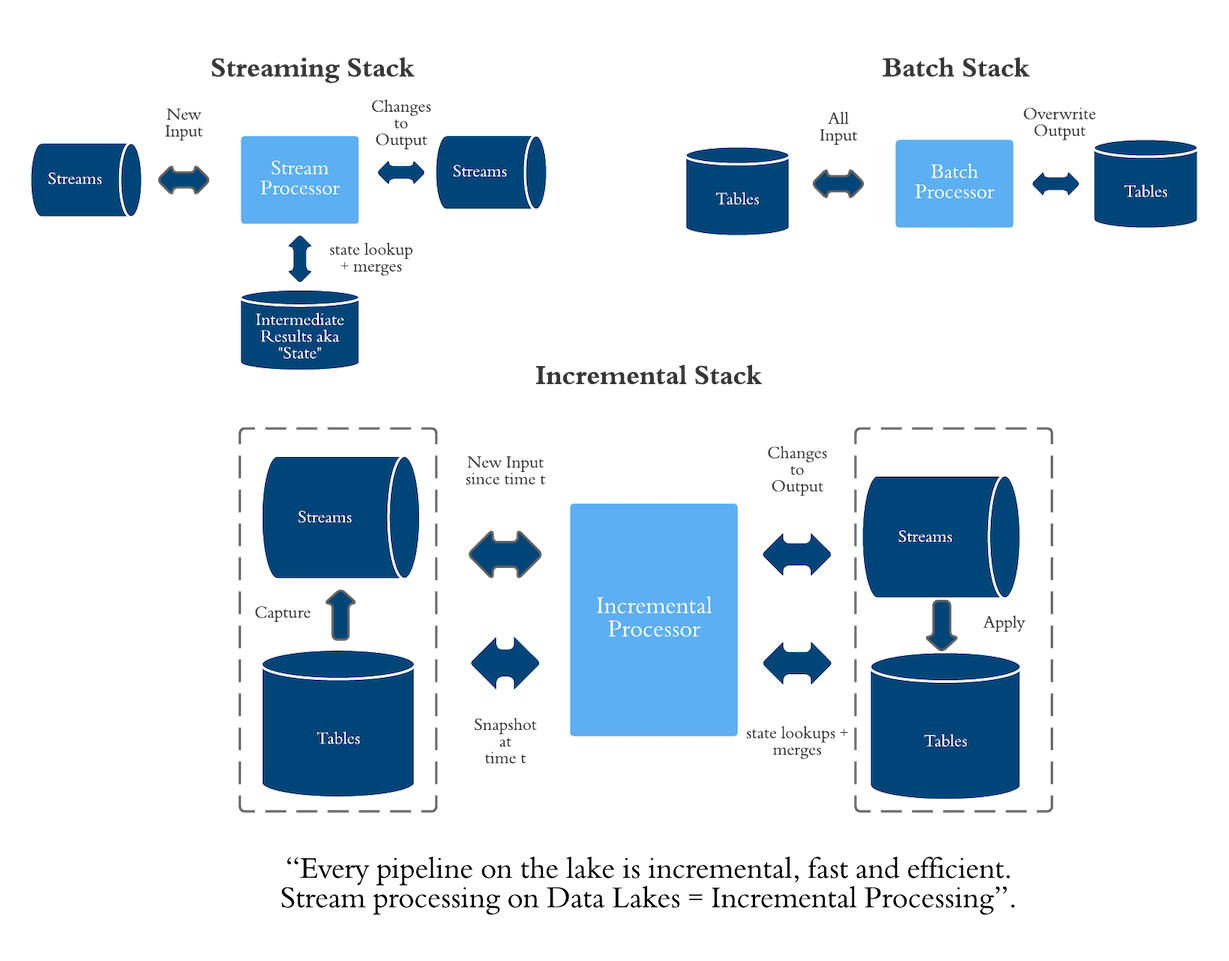
What a streaming data lake is, how it differs from batch data lakes and Kafka + warehouse stacks, and the storage building blocks that make it work.
What ACID means for tables on S3, GCS or ADLS: how table formats like Apache Hudi deliver atomic commits, snapshot isolation and safe concurrent writes.