estudo científico de microrganismos
The intestinal microbiome is made up of trillions of microorganisms. This community of bacteria, viruses, fungi, and other microbes typically exists in a symbiotic relationship with the human host and
Despite the recent hearings in Congress, we seem to be even further from the goal of understanding Covid-19’s origin’s than we have ever beenAs a microbiologist and infectious disease clinician, it ha
Scientists trained artificial intelligence on libraries of DNA and then asked the model to create recipes for viral genomes. Sixteen of them were viable, yielding new viruses.
Researchers say breakthrough offers hope for new medicines but also raises urgent biosecurity questionsScientists have made the first viruses designed by artificial intelligence in a milestone that ra
EMBL alumna Lisa Maier, recipient of the 2026 John Kendrew Award, discusses her scientific achievements, the importance of science engagement, and how she carries on the ‘EMBL spirit’
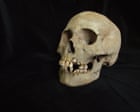
Discovery in Siberia suggests bacterium from raw marmots devastated hunter-gatherer tribes about 5,500 years agoThe earliest evidence for an outbreak of plague has been uncovered at late stone age cem
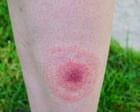
Scientists developing vaccines and anti-tick treatments amid growing concern over spread of diseaseCases of Lyme disease have risen more than 20% in England in the past year, public health experts hav
The more we learn about the gut, the more we realise how central it is to health. Here are 16 ways to look after it, from making sure we get enough fibre to not taking phones to the loo“Our gut is a c