a standalone computer network, in contrast to an internet
AI is helping scientists model human cells, decode the universe, and accelerate discovery across nearly every field. Here are some key innovations from across campus. An ambitious project to scan the
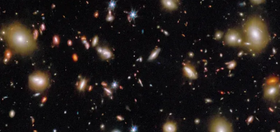
Imagine a universe devoid of all elements apart from hydrogen, helium, and lithium. That was the state of the Universe until the formation of the first stars, around a hundred million years after the
Join our Rubin lecture series to explore the scientific and technical foundations of this unprecedented survey and how it will reshape our understanding of the universe. The Vera C. Rubin Observatory
With access to the historical 24-inch telescope and the newly installed 0.7m telescope at the Stanford Student Observatory, along with a number of digital telescopes (eVscopes) and optical telescopes,
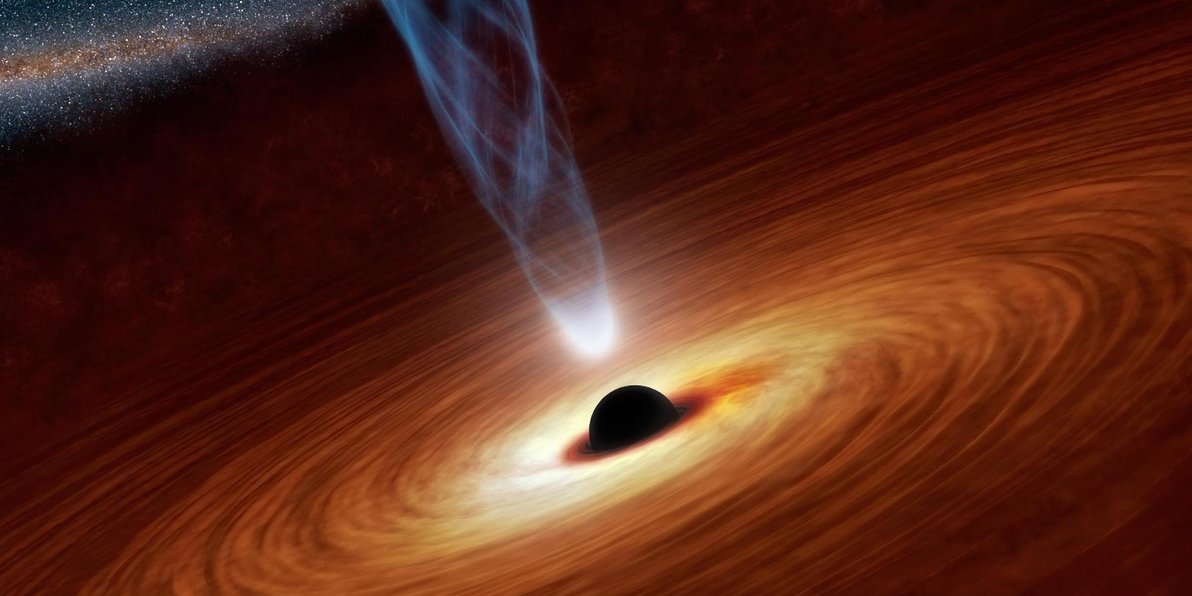
Supermassive black holes (SMBHs) are millions to billions of times more massive than the sun. How SMBHs work is one of the key questions in astrophysics because they test the behavior of matter in str
NSF-DOE Rubin Observatory’s rapid monitoring of supernovae, asteroids, and other astronomical events marks a historic milestone in astrophysics. Cosmologists Josh Frieman and Risa Wechsler reflect on
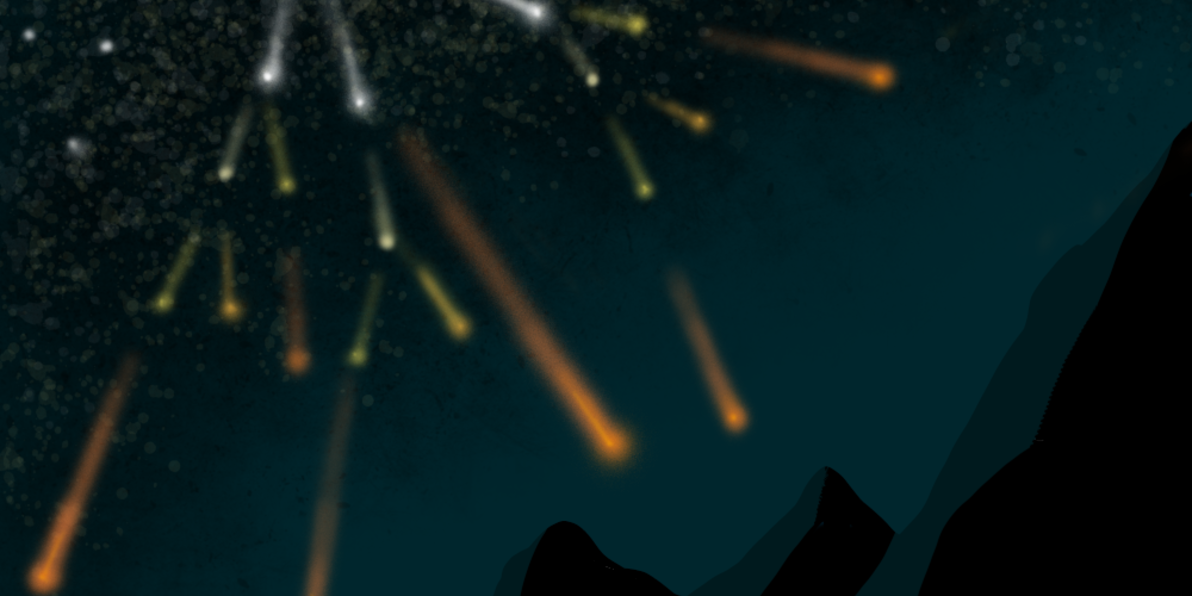
Right now, a few relativistic particles are passing through your head every second at the speed of light. They have more than ten million times more energy than our best particle accelerator can achie
My book “Nigel’s Intranet Adventure” is a contemporary science fiction book available from the Amazon Kindle store.